Sub-Total: $0.00

Kava vs. Melatonin: Which is Better for Deep, Restorative Sleep?
Tossing and turning all night is exhausting. You stare at the ceiling. You count sheep. You check the clock again. Finally, you reach for a bottle of pills.
For years, melatonin has been the go-to supplement for millions of people seeking better sleep. But a traditional plant option from the South Pacific is rapidly gaining ground. People everywhere are turning to kava roots.
Fixing a disrupted sleep schedule requires choosing the right tool for your body. Both options promise a better night’s rest. Yet, they operate in completely different ways.
In this guide, we break down kava vs. melatonin for sleep. We will look at how each compound works in the body, compare their side effects, and examine why natural plant solutions are becoming the preferred choice for restorative rest.
Understanding Melatonin: How It Works (And Where It Falls Short)
Melatonin is not a sedative or a relaxant. It is a hormone produced naturally by your pineal gland. Its primary job is to regulate your circadian rhythm—your internal biological clock. When darkness falls, your brain releases melatonin to signal that it is time to wind down.
Taking synthetic melatonin supplements simply amplifies this signal. It works well for specific situations:
- Overcoming jet lag after traveling across time zones.
- Helping shift workers adjust to unusual sleep hours.
- Resetting a disrupted sleep-wake cycle.
However, many people misuse melatonin. They take high doses every night as a fix for stress-induced insomnia.
Taking synthetic hormones long-term can confuse your body’s internal feedback loops. Over time, your brain may produce less of its own natural supply. This creates a frustrating cycle of reliance.
Additionally, high doses of melatonin often cause vivid dreams, middle-of-the-night awakenings, and severe morning grogginess. According to research cited by the Sleep Foundation, melatonin is best suited for short-term circadian alignment rather than long-term stress relief. It does not calm a racing mind or ease physical muscle tension.
Understanding Kava: The South Pacific’s Natural Secret for Rest
Kava (Piper methysticum) is a native root cultivated for thousands of years across Fiji, Vanuatu, and Hawaii. Traditionally consumed during community gatherings and ceremonies, kava is renowned for its ability to induce physical calm and mental clarity.
Unlike melatonin, kava does not alter your body’s hormone levels. Instead, its active plant compounds—called kavalactones—interact with GABA receptors in your central nervous system.
GABA acts as the primary “brake system” for your brain. When kavalactones bind to these receptors, they slow down overactive neural firing. This leads to several noticeable benefits:
- Gentle relaxation of tense muscles.
- Quieting of persistent, racing thoughts.
- A natural feeling of ease and calm.
Kava removes the mental and physical stress barriers that keep you awake. Rather than forcing your brain into sleep, it allows your body to drift off naturally. Because it works with your nervous system rather than your hormones, you wake up feeling clear-headed without an artificial morning hangover.
Kava vs. Melatonin: Direct Comparison
To see how these two options stack up, let’s look at a head-to-head breakdown:
| Feature | Melatonin | Kava (Kava Root Powder) |
| Primary Mechanism | Hormonal signal (circadian rhythm) | Neurochemical relaxation (GABA receptors) |
| Best Used For | Jet lag, shift work, resetting sleep clock | Stress-induced insomnia, muscle tension, mental quiet |
| Impact on Stress | None (does not relieve anxiety) | High (calms nervous system and relaxes muscles) |
| Sleep Quality | May cause vivid dreams or restless sleep | Promotes deep, uninterrupted REM and slow-wave sleep |
| Morning Effects | Frequently causes morning grogginess / “hangover” | Leaves system cleanly; leaves you refreshed |
| Habit / Tolerance | Can suppress natural hormone production over time | Non-habit forming; non-addictive |
| Primary Form | Pills, gummies, synthetic liquids | Traditional root powder, instant mixes, teas |
Key Differences: Why Kava Supports Deeper Restorative Sleep
1. Stress Reduction vs. Circadian Timing
The most common cause of poor sleep is not a missing hormone—it is stress. Elevated cortisol and a racing mind keep your body in a “fight or flight” state. Melatonin tells your brain that it is dark outside, but it does nothing to stop you from worrying about tomorrow’s to-do list.
Kava directly addresses stress. It relaxes tight shoulders, softens mental anxiety, and relaxes physical tension. By easing your nervous system into a parasympathetic state, sleep happens organically. To learn more about how kava aids overall mental wellness, read our guide on the Benefits of Kava: A Natural Path to Relaxation and Well-Being.
2. Preserving Natural Sleep Architecture
Restorative sleep requires smooth progression through light sleep, deep slow-wave sleep, and REM sleep. High-dose melatonin can disrupt these natural cycles, leading to fragmented sleep or intense nightmares.
Kava helps you stay asleep by keeping physical discomfort and restlessness at bay. It supports continuous, restorative sleep cycles so your body can repair tissue and recharge brain function.
3. Avoiding the Morning “Gummy Hangover”
Synthetic sleep aids often stay in your system long after your alarm goes off. That lingering grogginess requires multiple cups of coffee just to feel functional.
Kavalactones metabolize smoothly. When you choose high-quality noble kava, you wake up alert. The National Institutes of Health (NCCIH) notes that overuse of synthetic sleep supplements can lead to daytime sleepiness, making clean plant alternatives an appealing option.
The Science of Kavalactones and Sleep Strains
Not all kava produces the same effect. Kava plants contain six primary kavalactones, each contributing to different physical and mental responses.
- Heady Kava: High in kavalactones that boost mood and social energy. Great for daytime use. Example of a good heady kava.
- Heavy Kava: Rich in kavalactones like Dihydrokavain (DHK) and Dihydromethysticin (DHM). These compounds deliver deep muscle relaxation and sedation. Example of a good heavy kava.
When using kava as a natural sleep aid, “heavy” strains are the most effective. To understand the molecular profile of different roots, check out our deep dive into Kava Chemotypes: A Comparative Analysis and explore The Science Behind Kava.
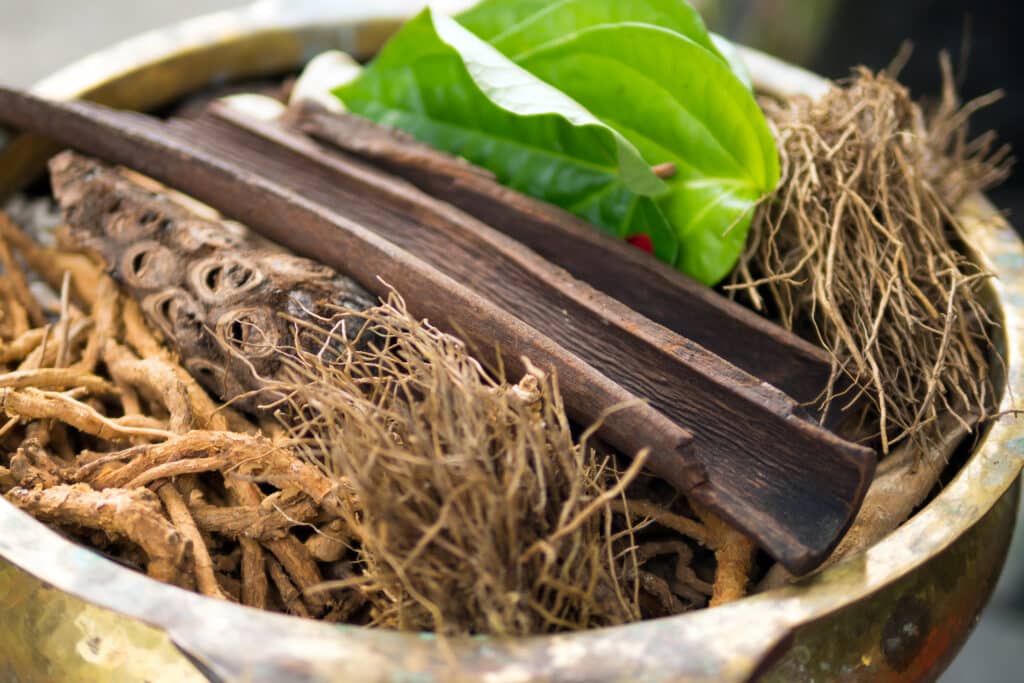
Top Fiji Vanua Kava Products for Deep Sleep
Finding the right strain is key to getting the rest you need. At Fiji Vanua Kava, we source pure, tested, noble kava directly from trusted Pacific Island farms. Here are our top recommendations for evening relaxation:
1. Kava Vanuatu
Sourced from the island of Tanna, this traditional root powder is our strongest heavy strain. It features a high concentration of relaxing kavalactones that quickly melt away physical tension. It is the ultimate choice for nighttime preparation.
2. Santa Cruz
Harvested in the Solomon Islands, Santa Cruz (often called “Purple Kava”) comes from matured 5-year-old plants. It offers a smooth, creamy flavor profile combined with long-lasting physical relaxation.
3. Kava Relax™
If you want relaxation without the traditional prep work, Kava Relax™ offers a convenient option. It delivers the same soothing benefits in a quick, effortless format for busy evenings.
4. Instant Old Roots Kava (Customer Favorite)
For those seeking a premium balance of potency and ease, our Instant Old Roots Kava is made from mature plant roots. It dissolves instantly in water or fruit juice, providing fast relief from nighttime stress without straining or kneading.
How to Build an Effective Nighttime Kava Routine
To get the best results from kava, consider integrating it into a relaxing evening routine:
- Prepare 45–60 Minutes Before Bed: Mix your medium grind kava powder using a traditional strainer bag and cool water, or stir a serving of instant kava into your favorite beverage.
- Set the Environment: Turn off harsh overhead lighting and minimize screen time to allow your body’s natural sleep signals to kick in.
- Drink on an Empty Stomach: Kava is absorbed most effectively when taken 2 to 3 hours after your last meal.
- Sip and Unwind: Enjoy your kava slowly while reading, stretching, or listening to music.
If you are new to traditional preparation methods, explore our beginner guides on How to Choose the Best Kava and the differences between Kava Extract vs. Kava Powder.
Final Verdict: Which Should You Choose?
Melatonin remains a helpful short-term tool for resetting your sleep clock after long-distance travel. However, for daily stress, tense muscles, and a busy mind, kava offers a more holistic, restorative sleep experience.
By calming your nervous system naturally, kava helps you drift off without manipulating your hormones or leaving you with morning brain fog.
Ready to upgrade your sleep quality? Explore our full collection of noble, lab-tested root powders at Fiji Vanua Kava and discover the natural path to restful nights.