Sub-Total: $0.00

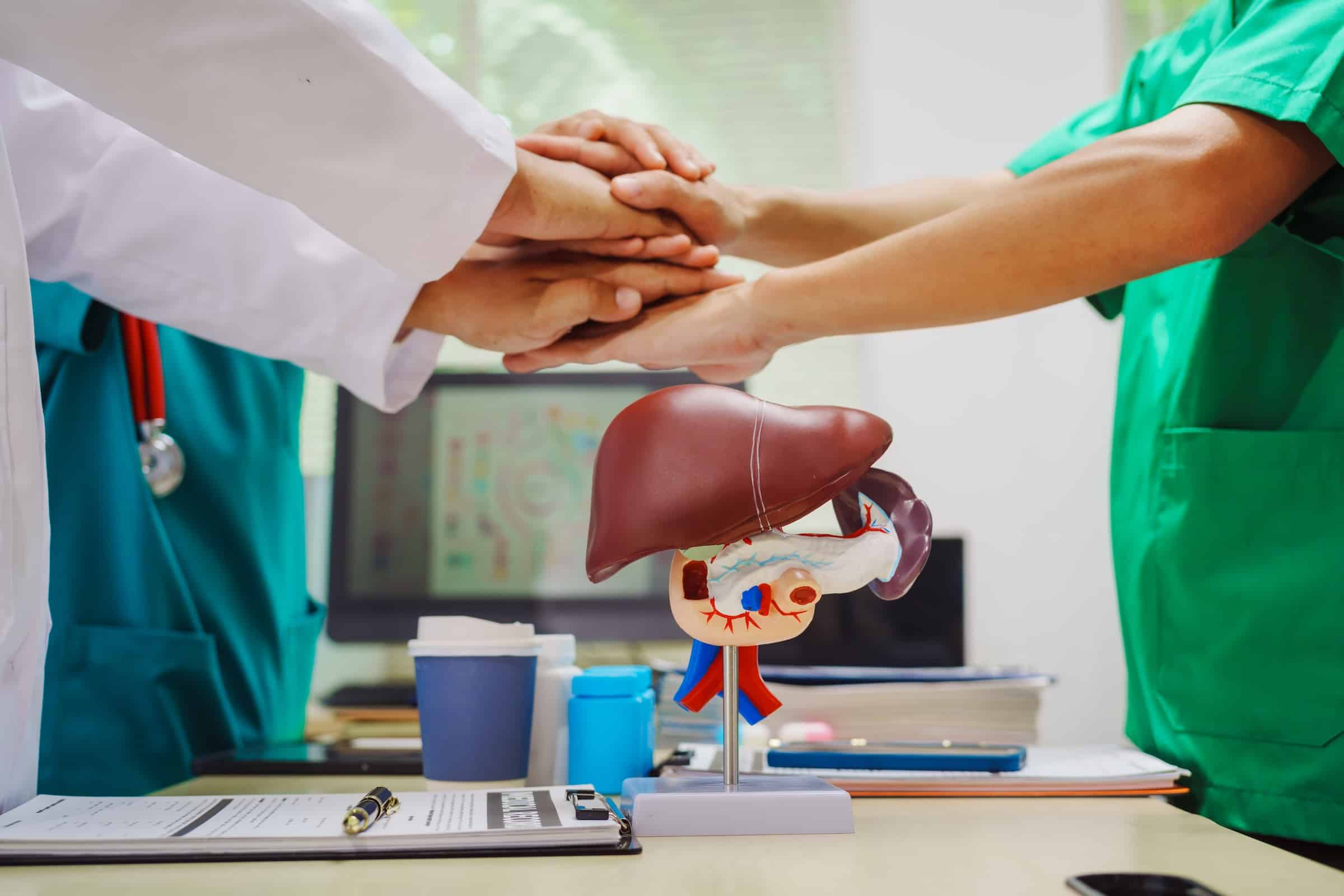
Does Kava Cause Liver Damage? Science Says No — Here’s Why Kava Is Safer Than You Think
Kava is a natural root cherished in Pacific Island cultures for its calming and anxiety-relieving properties. In the early 2000s, a few reports emerged suggesting a potential link between kava consumption and liver toxicity. These claims led to bans or restrictions on kava in some countries, sparking debate about its safety. However, modern scientific research has revisited these concerns. Studies now show that when kava is used properly—particularly using aqueous (water-based) extracts of the root—there is no significant evidence of liver damage in humans.
This blog post dives into the science behind kava’s safety profile, exploring why kava is safer than you might think for natural anxiety relief without harming liver health.
Where the Kava Liver Damage Myth Began
In 2001–2002, several European countries banned or restricted kava due to reports of liver injuries. These reports were later found to be associated with issues related to:
- Poor-quality kava: Some products used parts of the kava plant like stems and leaves instead of the traditional root, which might have contributed to potential toxicity.
- Non-traditional solvents: Kava extracts were made using solvents like acetone or ethanol. Traditional preparations use water-based (aqueous) extracts.
- Tudei Kava: The kava used in these studies appear to be non-noble otherwise known as Tudei Kava.
What the Science Actually Says: 5 Studies That Clear Kava’s Name
1. Rat Study: Kava Showed No Liver Damage
The study’s findings suggest that kava, prepared as a traditional aqueous infusion, does not exhibit liver toxicity in rats. Here’s a breakdown of the results:
Key Findings
- No Liver Toxicity: Kava administration did not elevate liver enzymes (alanine aminotransferase, aspartate aminotransferase, alkaline phosphatase, and lactate dehydrogenase) or malondialdehyde levels, indicating no toxic effect on the liver.
- Potential Benefits: In some cases, kava significantly reduced enzyme levels or malondialdehyde formation, suggesting potential protective effects.
2. Chronic Toxicity Study in Rats:
A recent study investigated the potential liver toxicity of kava extract preparations, which have been used as anxiolytic drugs. The researchers tested the chronic toxicity of an ethanolic kava full extract in rats over 3 and 6 months.
Key Findings
- No Signs of Toxicity: The study found no evidence of toxicity in rats fed with kava extract, even at high doses.
- Normal Liver Function: Liver parameters and histological examinations showed no signs of liver damage or toxicity.
- No Adverse Effects: The rats exhibited no changes in body weight, hematological parameters, or macroscopical and microscopical histological changes in major organs.
3. Human Clinical Trial Using Aqueous Kava:
Kava has been studied for its potential benefits on anxiety, inflammation, and overall well-being. Here’s what the research suggests:
Key Findings:
Anxiety Relief: Kava may help reduce anxiety symptoms, promoting relaxation and calmness.
Anti-Inflammatory Effects: Kavalactones, the active compounds in kava, have shown anti-inflammatory properties, which could be beneficial for conditions like arthritis.
Potential Therapeutic Applications: Kava may have therapeutic potential for various health conditions, including anxiety disorders and inflammatory diseases.
4. Long-Term Traditional Use in Australia
Kava consumption in Australians, the research mentions that:
- In Australia, kava products are manufactured with Pharmaceutical Good Manufacturing Practice, ensuring the kava material is screened for contaminants.
- Traditional aqueous kava extracts were used in Aboriginal communities in Arnhem Land, with some fluctuations in liver enzymes, but no actual liver damage was reported.
5. Large Drug Monitoring Study
Research suggests that factors like overdose, prolonged treatment, and poor quality of the kava raw material contribute to liver damage. To ensure safe use, standardization of kava quality is crucial. By understanding these risks and taking steps to mitigate them, individuals can make informed decisions about using kava for anxiety relief.
Research Suggestions:
- Standardization of kava raw material quality is necessary to minimize hepatotoxic risks. Making sure the Kava is in its pure form. Free from any by-product like Kava stems also know as Kasa in Fijian. Make sure you use a vendor like Fiji Vanua Kava selling lab-tested aqueous kava products.
- Kava can be used safely if proper quality control measures are in place.

4. Why Quality and Preparation Matter
Kava’s safety profile is significantly influenced by how it’s prepared and the quality of the plant material used. How well its washed, dried and prepared.
1. Traditional Water-Extracted (Aqueous) Kava:
- Safer Option: Considered safer due to water-based extraction methods that preserve the natural kavalactones.
- Maintains the integrity of the kava’s active compounds.
2. Modern Solvents Like Ethanol:
- Potential Risks: May pose higher risks due to potential solvent residues that can remain in the final product.
- Adverse Effects: Ethanol extraction can alter the natural composition of kava, potentially increasing the risk of adverse effects.
3. Noble Kava Varieties:
- Safety and Efficacy: Noble varieties are preferred for their safety and efficacy, with specific kavalactone profiles tailored for relaxation and anxiety relief.
Differences from Other Types:
- Noble Varieties: Cultivated for their balanced effects, noble kava varieties like Borongoru and Lewena are known for promoting relaxation without sedation.
- Tudei Varieties: May have a different kavalactone profile, potentially leading to more side effects or dependency issues due to their stronger, more sedative effects.
4. Root-Only Usage:
- Root Importance: Only the root of the kava plant should be used, as it contains the highest concentration of beneficial kavalactones.
- Avoid Stems and Leaves: Stems and leaves may contain different compounds that could pose health risks or cause adverse effects.
Frequently Asked Questions:
Is Aqueous Kava Safe for Your Liver?
- General Safety: Aqueous Kava is generally considered safe for the liver when used responsibly and in moderation.
- Precautions: Individuals with pre-existing liver conditions or those taking liver-affecting medications should consult a healthcare professional before using kava.
Does Kava Extract Cause Liver Problems?
- Solvent-Based Risks: Kava extracts made with modern solvents like ethanol may pose a higher risk of liver problems due to potential residues and altered kavalactone profiles.
- Traditional Extracts: Traditional aqueous extracts from noble kava varieties are less likely to cause liver issues when used correctly and in moderation.
5. Reversing the Narrative: Regulatory Shifts and Expert Opinions
Kava, a traditional herbal remedy from the Pacific Islands, has seen significant shifts in regulatory opinions and expert views regarding its safety. Let’s break down the key developments:
WHO Findings on Kava Safety:
The World Health Organization (WHO) conducted a comprehensive study on kava’s safety, specifically looking at the risk of hepatotoxicity (liver damage). The WHO’s findings were clear.
- No Causal Link to Liver Damage: The WHO found no scientific evidence supporting a causal relationship between kava consumption and liver damage.
- Safe When Used Traditionally: Water-based and noble kava products are considered safe when used appropriately.
Countries Reversing Ban:
Some countries have reversed or adjusted bans on kava due to reassessments of its safety and cultural significance:
- Germany: A German court ruled in 2014 to reverse the ban on kava, citing insufficient evidence for the risk of liver toxicity.
- Australia: Australia and New Zealand permit regulated access to kava with specific rules on dosage, preparation, and labeling.
Herbal Safety Experts Defending Kava’s Traditional Use:
Experts and advocates of traditional medicine highlight kava’s long history of safe use in Pacific Island cultures.
- Traditional Use Supports Safety: Kava is confirmed as GRAS. It has been used for centuries in ceremonial and healing practices without widespread reports of liver damage.
- Comparison to Pharmaceuticals: Kava’s safety profile compares favorably to some conventional anxiolytics like diazepam.
Implications of These Developments:
These shifts in regulatory and expert opinions suggest a growing recognition of kava’s safety when used traditionally and responsibly. As research continues, kava’s potential benefits for anxiety relief and relaxation are being reevaluated.
6. Kava vs. Other Anxiety Medications: A Safer Alternative?
Anxiety disorders affect millions of people worldwide, and conventional medications like benzodiazepines are often prescribed to manage symptoms. However, these medications come with significant risks, including addiction and liver damage. Kava, a natural herb, has emerged as a potential alternative for anxiety relief.
In this article, we’ll explore the benefits and risks of kava compared to benzodiazepines and discuss its potential as a safer alternative.
Benzodiazepines: Risks and Limitations:
Benzodiazepines, such as Xanax (alprazolam), are commonly prescribed for anxiety disorders. However, they have several drawbacks:
- Addiction risk: Benzodiazepines can be habit-forming, leading to physical dependence and withdrawal symptoms when stopped abruptly.
- Liver load: Long-term use of benzodiazepines can put a strain on the liver, potentially leading to liver damage or impaired function.
- Cognitive impairment: Benzodiazepines can impair cognitive function, including memory, attention, and decision-making.
Kava: A Natural Alternative:
Kava, a plant native to the Pacific Islands, has been used for centuries to promote relaxation and reduce anxiety. Kava’s active compounds, kavalactones, interact with the brain’s neurotransmitters to produce a calming effect.
- Non-addictive: Kava is not considered addictive, and there is no evidence of physical dependence or withdrawal symptoms.
- Anxiolytic effects: Studies have shown that kava can reduce anxiety symptoms in individuals with generalized anxiety disorder (GAD) or other anxiety-related conditions.
- Liver safety: When used responsibly and in moderation, kava is generally considered safe for the liver.
Comparing Kava to Benzodiazepines:
When comparing kava to benzodiazepines, several key differences emerge:
- Addiction potential: Kava is non-addictive, whereas benzodiazepines carry a significant risk of addiction.
- Liver safety: Kava can be safe for the liver when used responsibly, whereas benzodiazepines can put a strain on the liver with long-term use.
- Cognitive function: Kava may have cognitive benefits, such as improving focus and concentration, whereas benzodiazepines can impair cognitive function.
Data and Reference:
Research suggests that kava extract may be an effective treatment option for anxiety, with studies showing its superiority over placebo in reducing anxiety symptoms. With its potential for fewer adverse effects compared to synthetic anxiolytic drugs, kava extract is worth considering as a natural anxiety relief solution.
Key Findings:
- This systematic review and meta-analysis suggest that kava extract is effective in reducing anxiety symptoms.
- Seven double-blind, randomized, placebo-controlled trials showed superiority of kava extract over placebo in treating anxiety.
- The meta-analysis of three trials found a significant difference in reducing anxiety symptoms in favor of kava extract, as measured by the Hamilton Rating Scale for Anxiety.
- Kava extract may be a worthy treatment option for anxiety, considering its efficacy and potential for fewer adverse effects compared to synthetic anxiolytic drugs.
7. Tips for Safe Kava Use
Here are the tips for safe kava use. By following these tips, you can help ensure a safer experience when using kava.
Safe Kava Use Tips:
- Choose Reputable Brands like Fiji Vanua Kava
- Use Noble Kava Varieties. Fiji Vanua Kava only sells noble kava.
- Look for third-party lab testing for quality and safety
- Prioritize brands with good manufacturing practices (GMP) and certifications
Use Aqueous Extracts:
- Aqueous extracts are considered safer
- Ensure water-based extraction methods are used
- Avoid other types of extracts (e.g., ethanol or acetone)
Dosing Guidelines:
- Start with low doses to assess tolerance
- Gradually increase dose if needed
Avoid Interactions:
- Refrain from consuming alcohol
- Avoid liver-harming medications (e.g. acetaminophen, certain antidepressants)
Additional Precautions:
- Consult a healthcare professional before starting kava, especially with underlying health conditions or medications
- Monitor your body’s response and adjust usage accordingly
- Follow product instructions and dosage guidelines
8. Kava Is Not the Enemy — Poor Practices Are
Kava’s got a bad rep, but it’s really not the culprit here – it’s all about how it’s used and prepared. For centuries, Pacific Island cultures have been using noble kava varieties in water-based extracts without any major issues. The problems seem to pop up when people use non-noble varieties, don’t prepare it right, or take way too much without keeping an eye on things.
If you’re interested in exploring kava for stress relief, consider trying lab-tested aqueous kava products of Fiji Vanua Kava such as Loloma Waka, Malo Tonga, Instant Gold and Fijian Gold. Look for products that have been tested for kavalactone content, heavy metals, and other contaminants to ensure safety and quality. Staying informed about herbal health can also help you make the most of natural remedies like kava.